
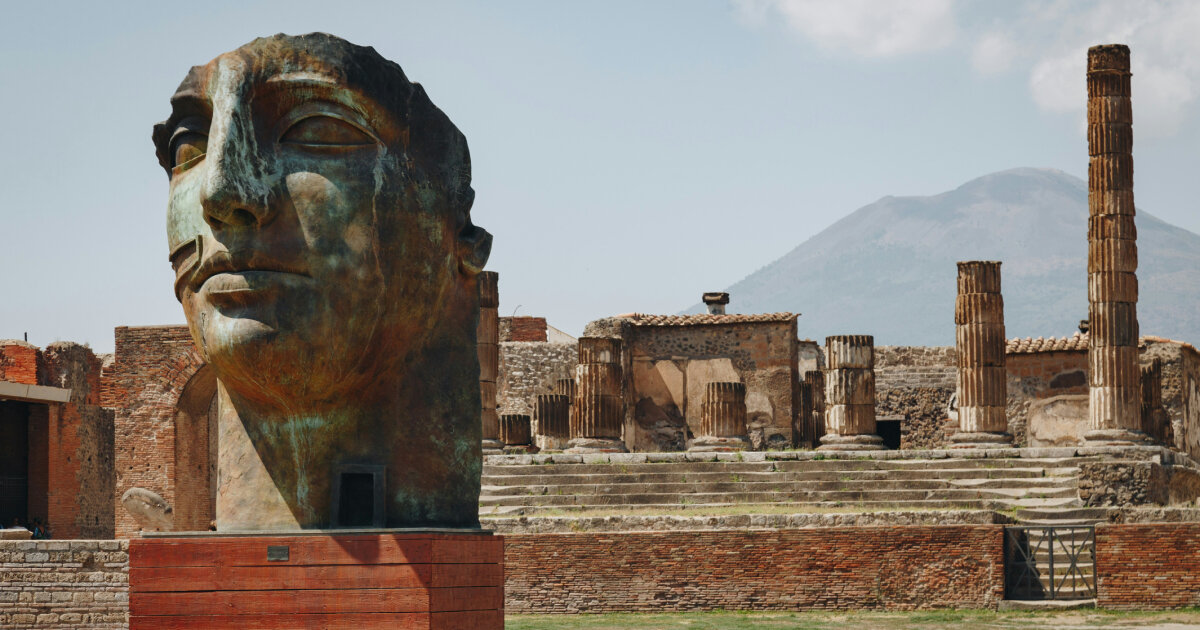
Self-healing concrete used to build Pompeii in the past
A recent analysis by MIT researchers has uncovered why Pompeii’s brick structures have endured for centuries: the ancient Romans employed self-healing concrete with remarkable longevity. In 2023, MIT Associate Professor Admir Masic and his team published research describing how Roman concrete was produced using a technique known as hot-mixing. In this process, lime fragments are combined dry with volcanic ash and other ingredients, and water is only added at the final stage. The addition of water to the dry mix generates heat, encapsulating lime within the concrete as small white inclusions. Over time, these inclusions can dissolve and migrate into cracks, enabling the concrete to repair itself.
In a recent breakthrough, the team discovered that the ancient Roman architect Vitruvius wrote that Romans first added water to lime to create a paste before mixing it with other materials. This historical account differed from the laboratory findings of Professor Masic, and given Vitruvius’s prominence, Masic hesitated to dispute his writings. However, the researchers then identified an exceptionally well-preserved construction site in Pompeii, safeguarded by the eruption of Mount Vesuvius in 79 C.E. Here, they examined raw material piles, tools, and walls at various stages of completion, providing a unique opportunity to study the actual composition and production methods of Roman self-healing concrete as it was originally used in ancient architecture, including at Pompeii.
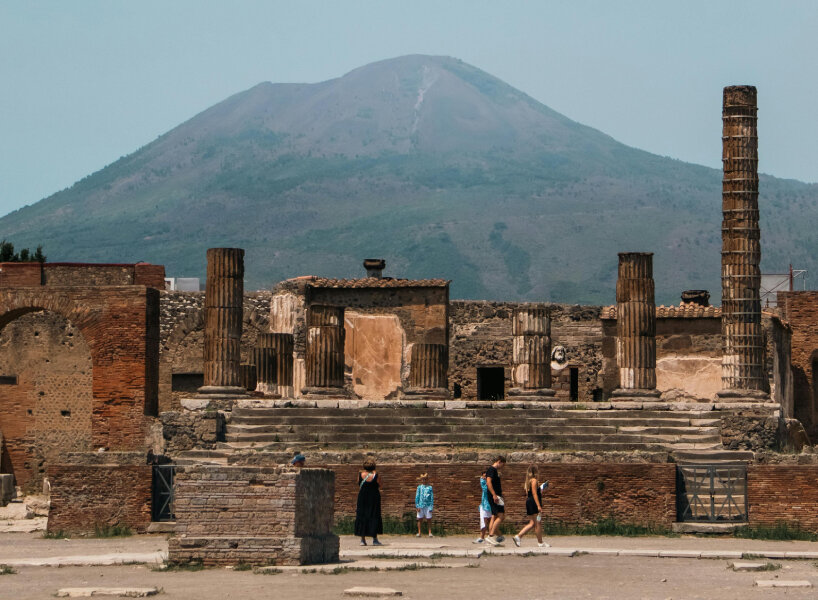
image by Fran Zaina, via Pexels
Romans used quicklime with ash for the binding material
During their investigation at Pompeii, Professor Admir Masic and his university collaborators collected samples from raw material piles, incomplete walls, finished structures, and repaired sections to further study the site’s self-healing concrete. They observed lime clasts within the concrete, consistent with previous findings, and also found unreacted quicklime fragments among the dry material, indicating that the Romans did indeed use a dry-mixing approach and confirming the use of hot-mixing. The team employed stable isotope analysis to monitor the transformation of materials over time, which allowed them to distinguish between lime that had been hot-mixed and lime that had first been slaked with water.
The results revealed that Romans ground quicklime, mixed it dry with volcanic ash, and only later added water to create the binding agent. The researchers also analyzed the volcanic ash containing pumice, which slowly reacted with water within the concrete. This ongoing reaction produced new minerals that reinforced the structure, filling pores and enhancing durability. Rather than directly replicating Roman concrete, which would not meet today’s requirements, the research aims to extract valuable lessons from ancient methods to inspire modern, long-lasting self-healing concretes. Building on this work, Professor Admir Masic has founded a company called DMAT to develop and apply these discoveries.
image by Nick Night, via Unsplash
image by Cole Ciarlello, via Unsplash
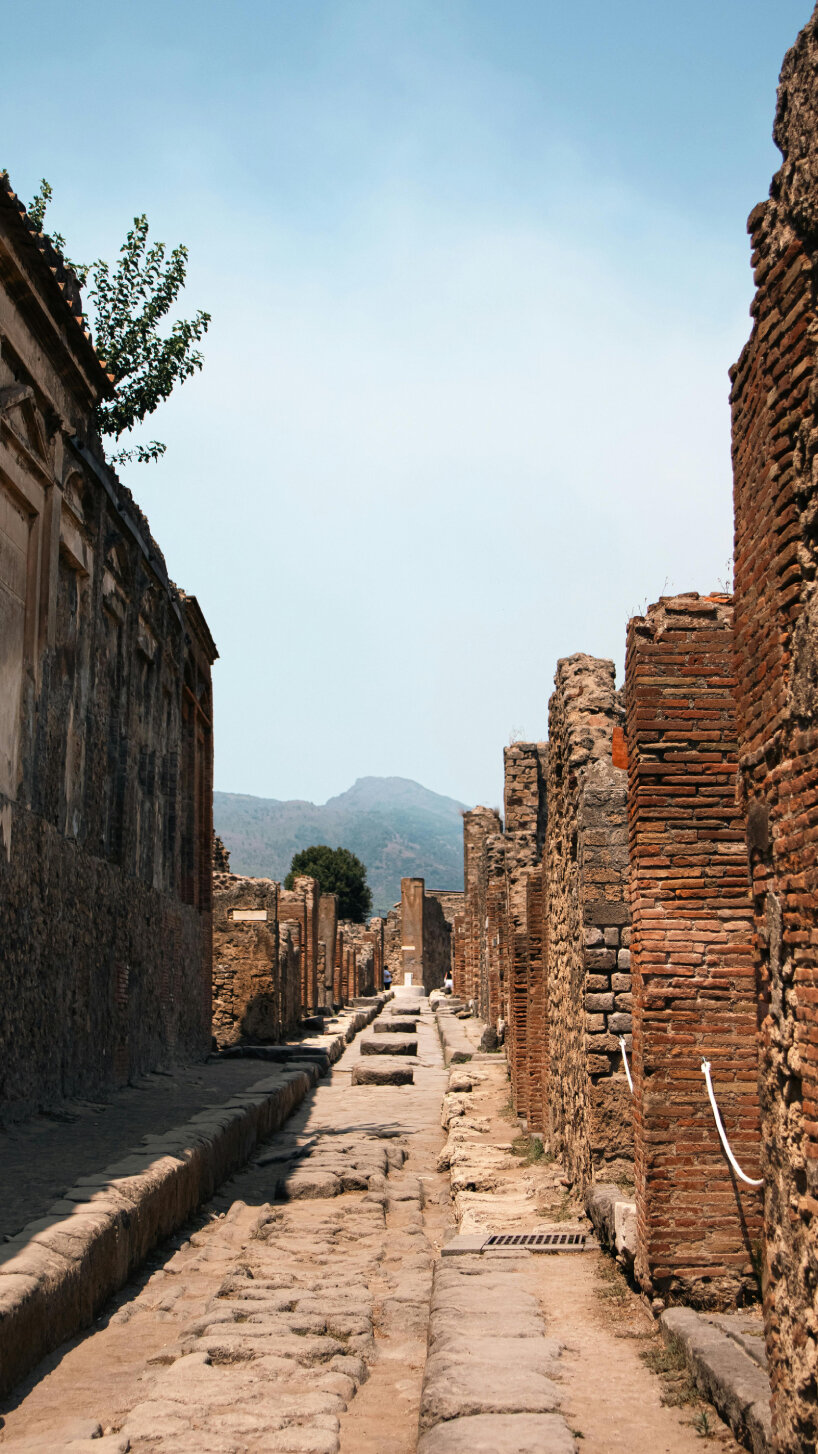
image by Fran Zaina, via Pexels
<img decoding="async" class="wp-image-116