Besley & Spresser Rethink Asbestos and Its Lasting Impact
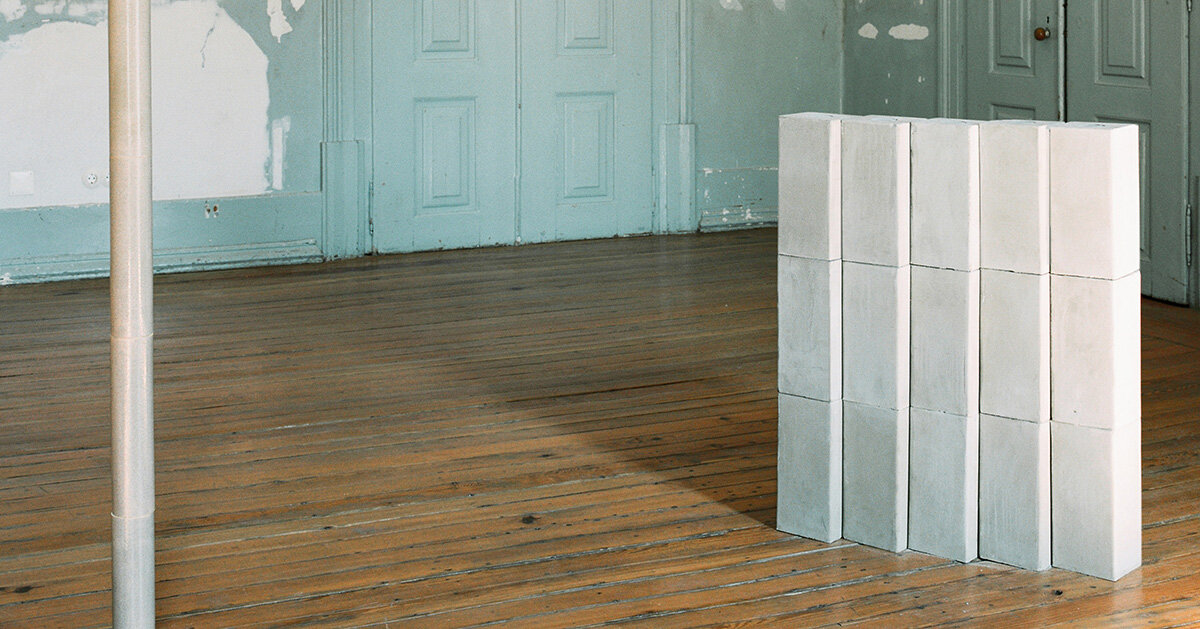
At the Lisbon Triennale 2025, Besley & Spresser introduce a material provocation in the form of an architectural installation, prompted by a thought-provoking question from Peter Besley: ‘What if one of the building industry’s most hazardous materials could become one of its most promising?’ Alongside co-founder Jessica Spresser, the studio challenges perceptions of asbestos, reimagining it as a mineral whose future could diverge dramatically from its notorious past. Their project, REDUX, located at the Palácio Sinel de Cordes, features carbon-negative materials created from asbestos waste, in collaboration with Rotterdam-based material scientists Asbeter and ceramicist Benedetta Pompilli.
This transformation serves as a live demonstration of a certified EU process that converts asbestos into stable silicates—safe, tactile, and visually compelling. “Our aim is to shift the view of asbestos from taboo to possibility, showing that even materials with troubled histories can be remade as constructive, safe, and unexpectedly beautiful,” the architects share with designboom.
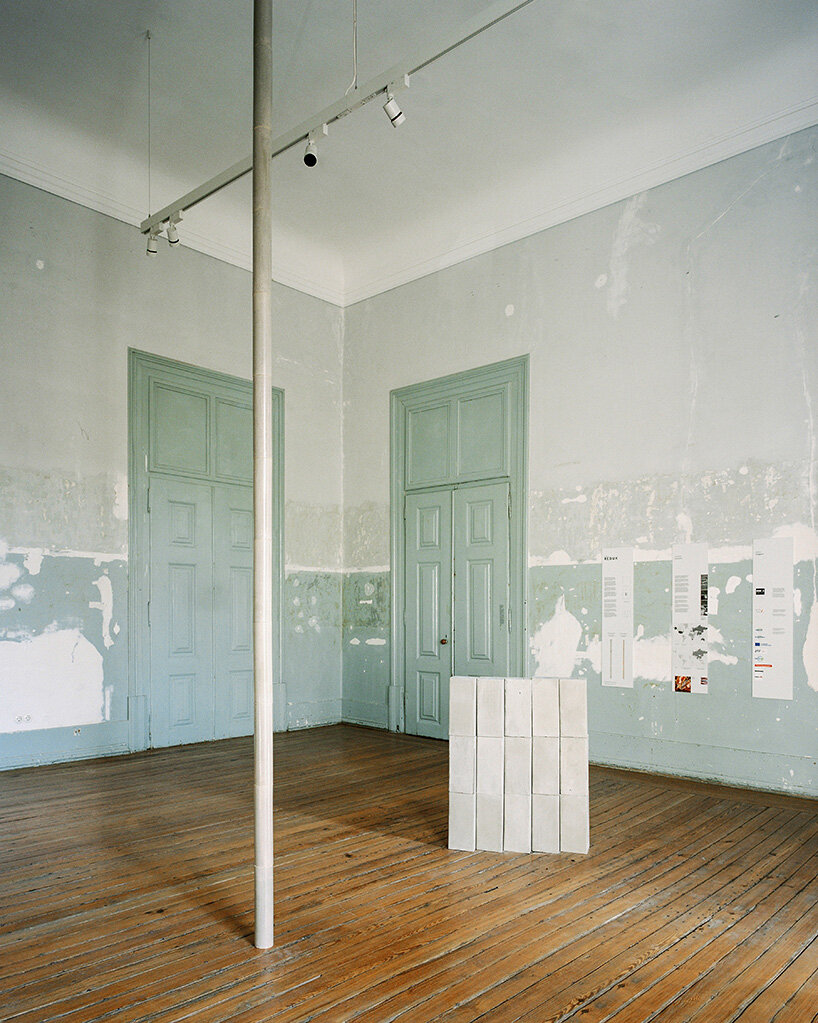
images by Rui Cardoso, unless stated otherwise
Transforming a Toxic Legacy into Carbon-Negative Material
Asbestos is an ancient mineral, woven into cities over decades through industrial excitement and subsequent negligence. Although naturally occurring and not inherently toxic, its extraction, processing, and use embedded a deadly hazard in urban environments worldwide—continuing to claim hundreds of thousands of lives each year and generating millions of tons of contaminated waste in landfills.
The installation by Besley & Spresser is set within this challenging context. The architects highlight the paradox of industrial materials: the tension between convenience and harm. “Asbestos captures the contradictions of industrial material culture: convenience versus damage. By transforming it, we hope to inspire a rethinking of how cities are made and the materials they use,” Besley comments.
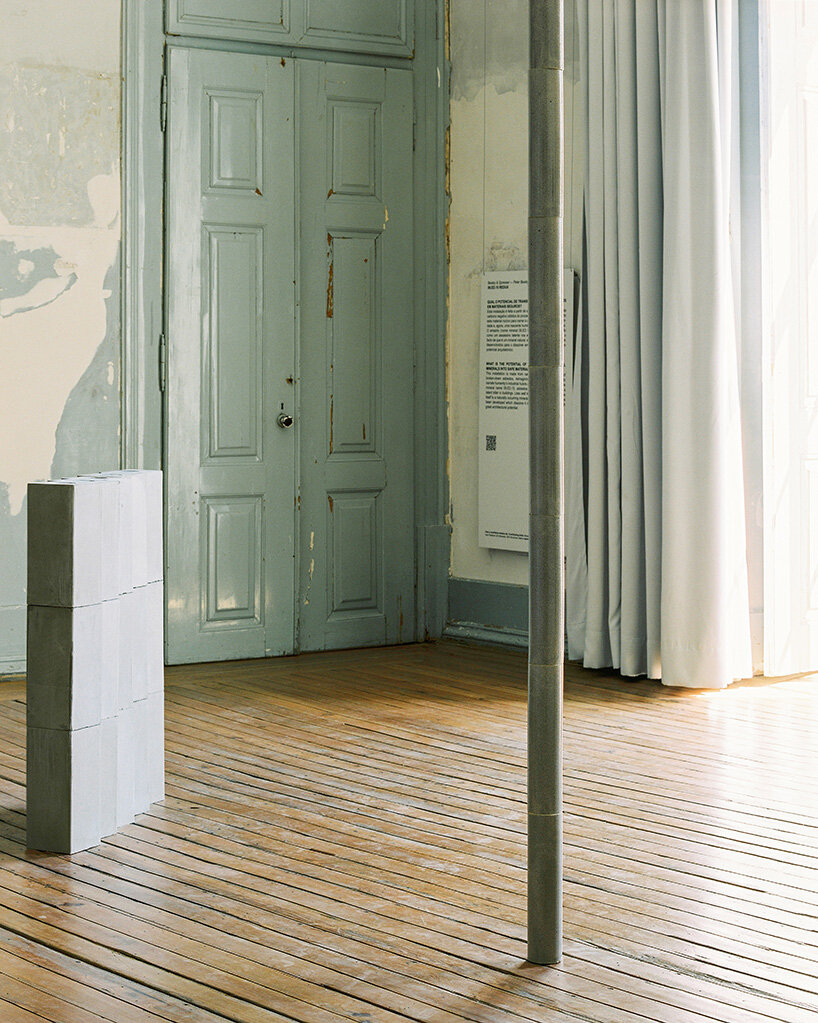
Besley & Spresser introduce a material provocation through architectural installation
From Hazardous Fibres to Carbon-Negative Architecture
The scientific approach behind REDUX is both rigorous and unexpectedly innovative. “The renewal process heats asbestos waste to high temperatures in a controlled setting, transforming its hazardous, fibrous structure into stable silicate minerals. These minerals can then serve as replacements for cement or as additives in other materials. The method also absorbs carbon dioxide, resulting in a carbon-negative outcome,” the architects explain. Cement production is responsible for about 8% of global carbon emissions, and these renewed asbestos minerals can replace up to a quarter of conventional cement content.
The architects were particularly impressed by the transformed material’s aesthetic possibilities, especially the ceramic glazes crafted by Pompilli. “What surprised us most was the visual quality of the results—the glazes derived from the renewed mineral yield unpredictable, sometimes striking colors that shift with the composition of the original asbestos,” they share.
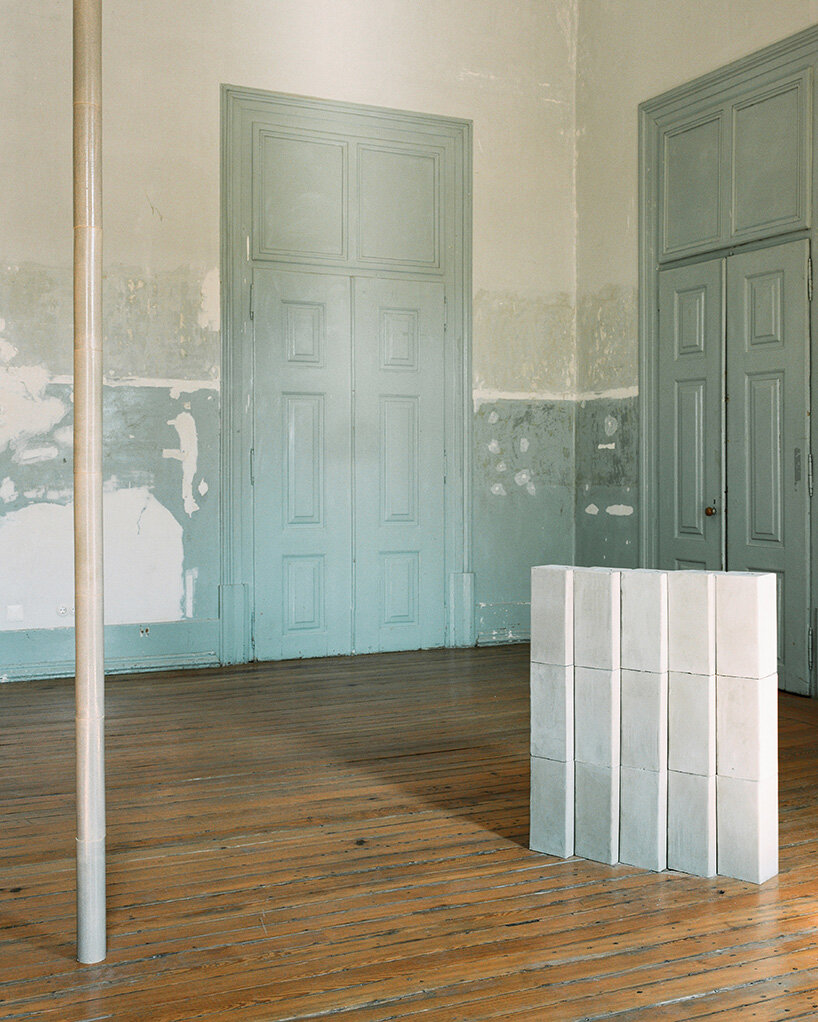
the studio reimagines asbestos as a mineral with a radically different future
REDUX: Repair as Both Technical and Poetic Process
Constructed from these renewed materials, the Sinel de Cordes installation functions as both a spatial essay and a proof of concept. It suggests that cities can repair themselves by transforming their own discarded materials, and that innovation can emerge from substances once associated with harm. “Design can convert legacies of harm into opportunities for renewal. Landfills on the outskirts of cities that bury asbestos pose ongoing environmental risks, while aging asbestos housing continues to endanger health worldwide. By transforming asbestos safely and at scale, we could reclaim