DB: The brand has long been associated with a classic, established sense of luxury. It’s fascinating to see it embrace a fresher, more contemporary approach.
DOK: Absolutely, this really represents the evolution of Ritz-Carlton—a reflection of how people now perceive luxury. Today’s younger guests are seeking experiences that feel tailored and personal, rather than being overwhelmed by a massive, impersonal environment. They want intimacy, a genuine welcome, and a focus on design that is both interesting and vibrant.
Guests are drawn to the energy that comes from the restaurants and bars—they want to feel a lively atmosphere, not as if they’ve entered a silent, formal space.
Just earlier today, I had lunch at a hotel uptown, and it had that old-fashioned vibe: you walk in and the front desk feels imposing, the lobby bar is hushed, and the music doesn’t fit the mood. It was like being in an airport lounge.
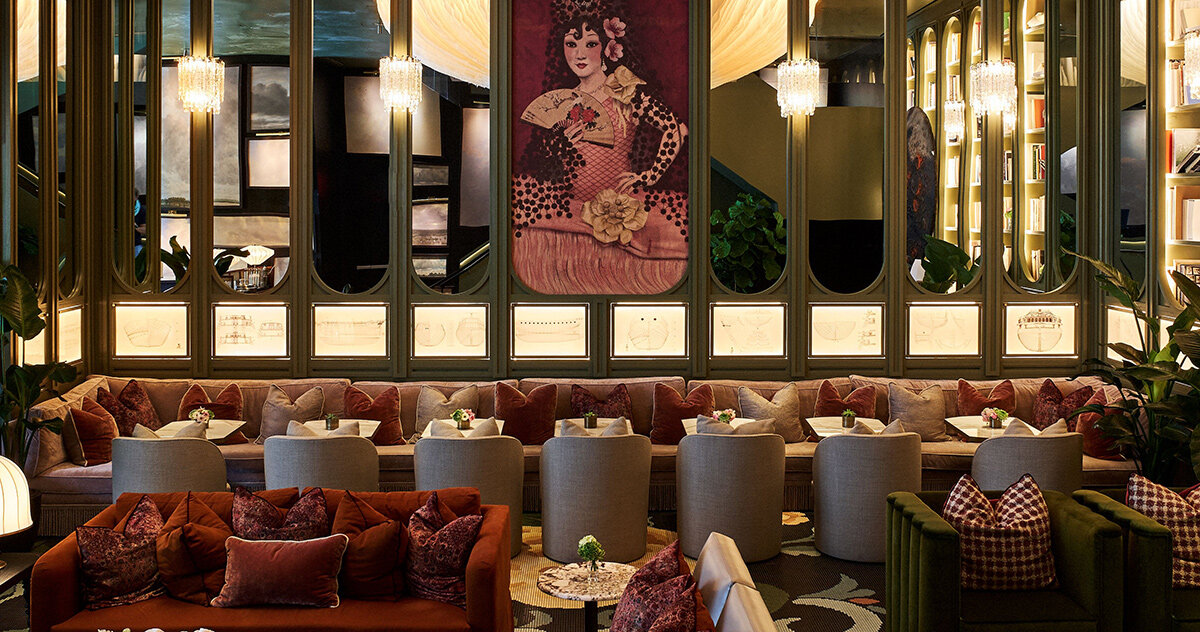
That’s exactly what we wanted to avoid. Our goal was to create moments of surprise and delight throughout the hotel, making the experience fun and engaging by offering something unexpected around every corner. We collaborated with five different interior designers to ensure each space provides a unique and memorable experience.
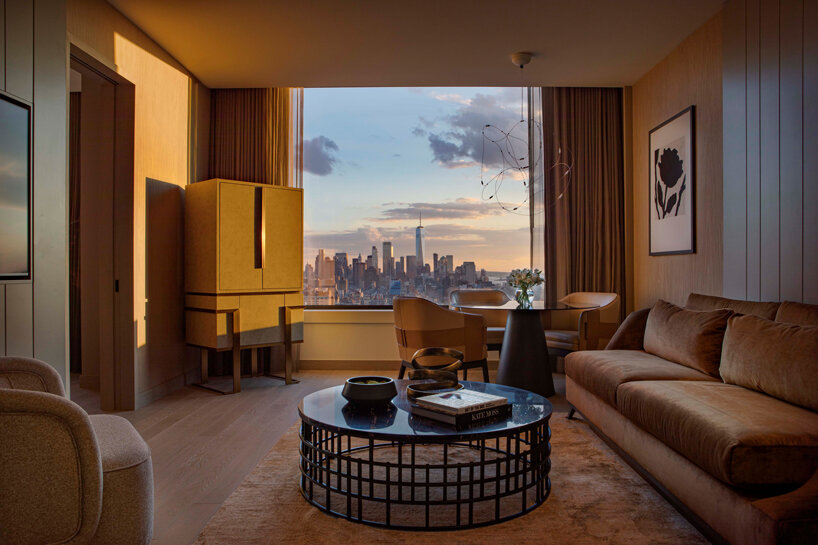
Liberty Club Suite living area, image by The Ritz-Carlton New York, NoMad
DB: I’d like to ask about the architecture. The building was designed by Rafael Viñoly, correct?
DOK: Yes, this is the only hotel Rafael Viñoly ever designed, and he was a true fan of Ritz-Carlton. He was genuinely proud to take on this project. We spent countless hours together—he would sketch on his computer or pad, and we’d continually discuss ideas. I actually organized a competition among five top architects, compensating them so they’d present substantial proposals.
Rafael stood out for his commitment—he wanted to meet constantly, always eager to understand my vision and preferences for the rooms and spaces. The other architects met with me once or twice, but Rafael was there every day, refining ideas with me. When he finally presented his plan, it was clearly the best fit. That’s why we chose him, and it was a truly exciting and close collaboration.
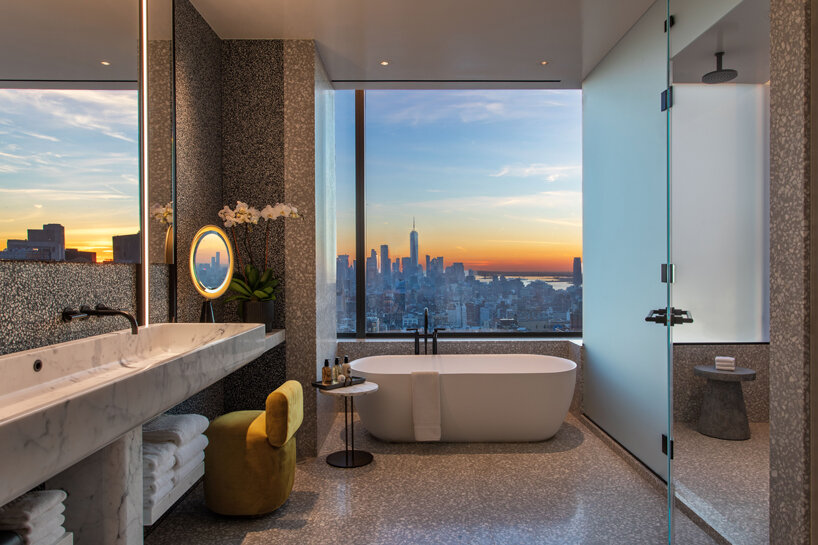
Ritz-Carlton Suite bathroom, image by The Ritz-Carlton New York, Nomad
DB: How did that collaboration unfold? How involved were you in the process?
DOK: I was involved in every detail. Rafael and I essentially created this building together. For architects, especially those working in contemporary design, the architecture is paramount.
Many architects focus on designing from the outside in, but I explained to everyone that wasn’t possible here—we had such a limited site, just a tiny plot of land.
Given the space constraints and the amount of programming required, we had to be strategic. Every square foot mattered, and we couldn’t afford to overlook a single one. We needed an architect who could design from the inside out. That approach was crucial to fitting everything in and ensuring the project made economic sense.
Some of the other architects suggested reducing the number of rooms or other features, but financially, that wouldn’t have worked for us. There’s always a balance to strike between dreams, practical realities, and budget.
My business background helps me see both the creative and financial sides simultaneously, striving to align them without compromising the guest experience. It does mean more work for the team, as we have to value-engineer everything—especially aspects guests never see—while still delivering a truly luxurious experience. It’s a significant undertaking.
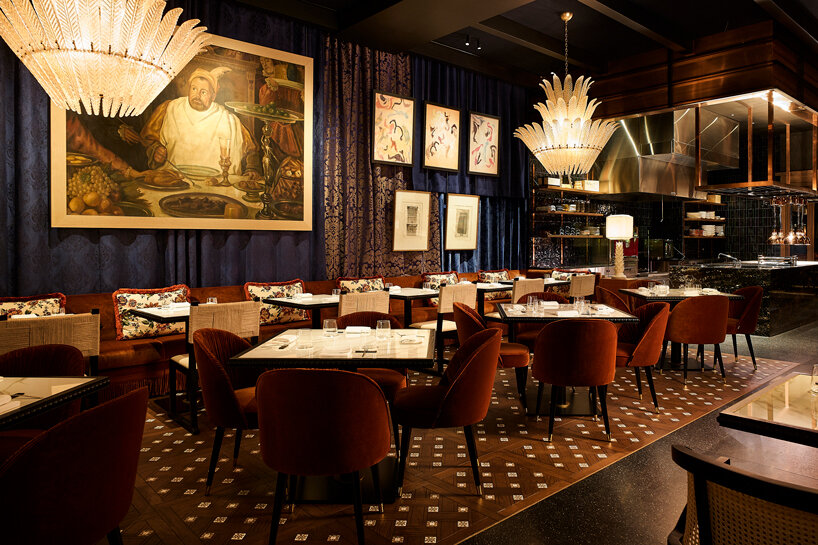
The Bazaar restaurant, image by Björn Wallander
DB: That guest-centric focus is one reason the hotel stands out in New York’s highly competitive market. Many of the experiences here are truly designed around the guest.
DOK: That’s exactly what today’s travelers are seeking. If you look at how successful boutique hotels have become, it’s clear people connect with properties that have a distinct personality—whether that comes from the designer or the owner’s vision.
This hotel offers the best of both worlds: an owner who is deeply invested in delivering the finest guest experience, paired with the world’s leading luxury hotel operator. That combination is rare. Most boutique hotels simply can’t offer the same range of amenities or services. For example, many don’t even provide room service