
Growing concerns about embodied carbon are prompting a renewed focus on designing architecture intended to endure. But what is a realistic expectation for a building’s lifespan? Nat Barker investigates.
“When we build, let us think that we build forever,” wrote John Ruskin, the influential 19th-century critic, in his classic work The Seven Lamps of Architecture.
Yet, in practice, this is rarely the case. Most commercial buildings are designed for a life span of approximately 50 to 60 years, and many are demolished even sooner.
“The constraint is about utility”
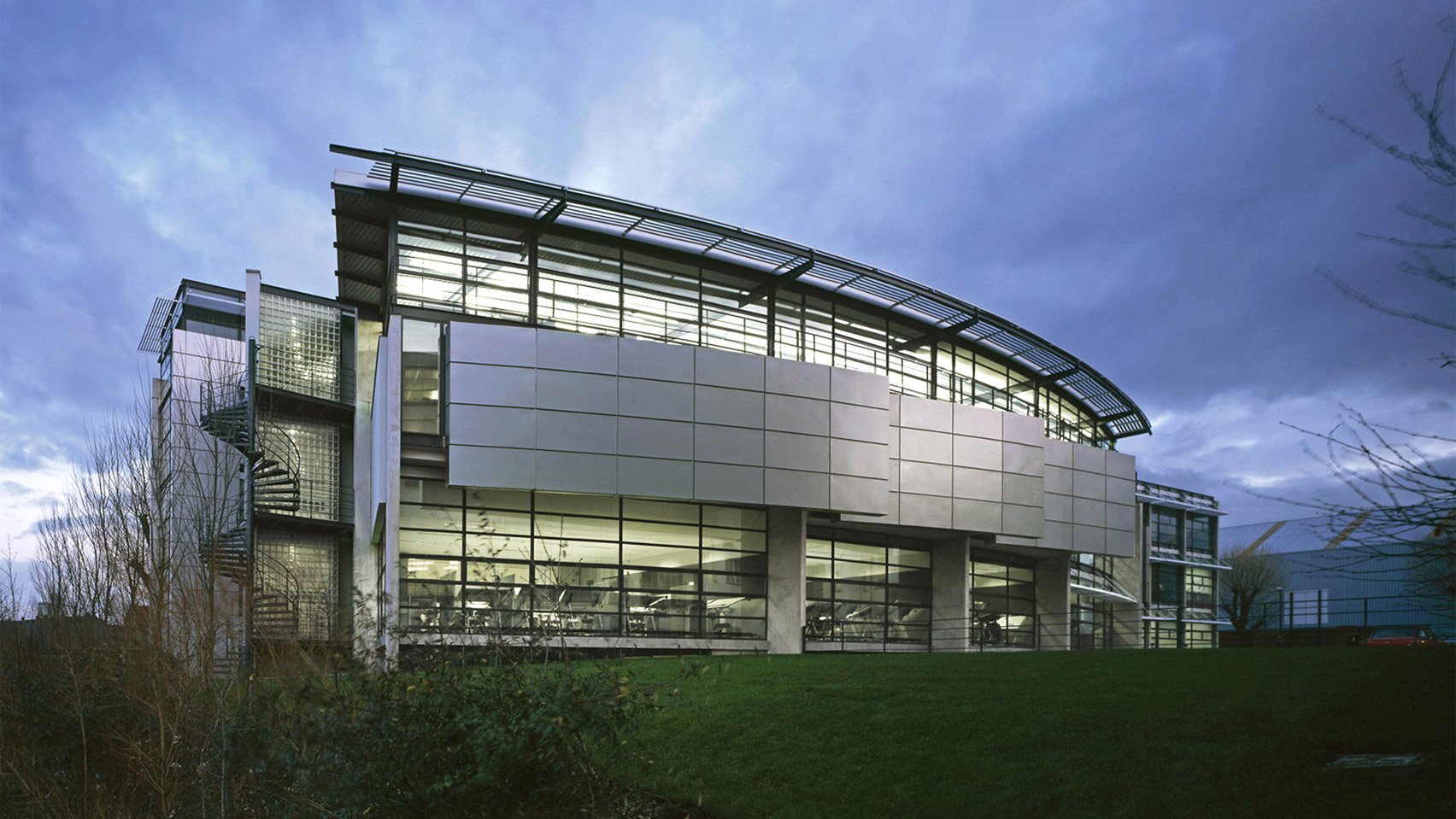
For instance, earlier this year, permission was granted to demolish the University of Salford’s Centenary Building—winner of the inaugural Stirling Prize—just 30 years after its completion.
As awareness grows around the significant environmental impact of constructing and demolishing buildings, the call to move away from short-term design is intensifying.
This raises a fundamental question that is seldom addressed: what constitutes a reasonable life expectancy for a building?
The answer is far from straightforward.
It isn’t simply about how long a structure can physically endure. With proper care and maintenance, most buildings—regardless of material—can stand indefinitely.
According to Mel Allwood, director of sustainable buildings at Arup, the difficulty lies in predicting when buildings will outlive their usefulness.
“The very long-life building that is always cited in these discussions is the Pantheon,” she told Dezeen.
“Its function is very basic: gathering people in a city centre. It represents the most fundamental role a building can have in society.”
By contrast, consider Victorian-era hospitals in Britain, constructed during Ruskin’s time. Once state-of-the-art, many are now obsolete.
“It’s crucial that the investment in materials is given as long as possible to pay itself back,” Allwood said.
“But the real limitation is utility. If a building ceases to be useful, it no longer returns value—it simply occupies space. That judgment is complex and fascinating.”

Other, less practical considerations also influence a building’s fate. For example, Victorian houses were regarded as unfashionable in the 1960s and many were torn down.
Now, despite their draughtiness and challenges for retrofitting, they are highly sought after and carefully maintained.
“If I had a magic wand to predict what functions we’ll need buildings for in 20, 50, or 100 years’ time, I’d be doing something else,” Allwood said.
Longevity “has become much more important”
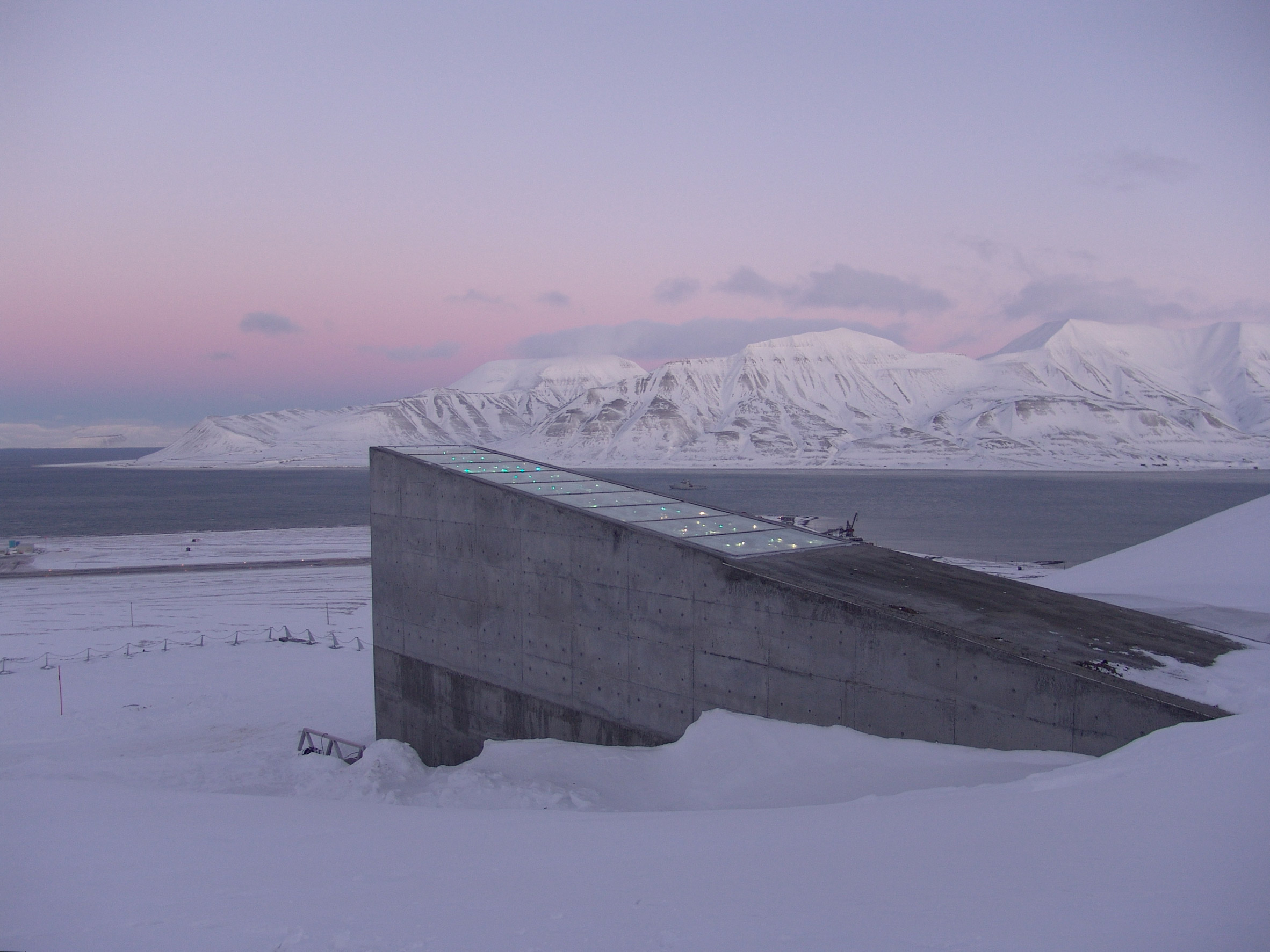
The Svalbard Global Seed Vault stands out as a rare modern example of a building designed for an extended lifespan.
Buried deep in Norwegian permafrost, it opened in 2008 and is described by the Norwegian government as having a “virtually indefinite lifetime,” able to withstand climate change, nuclear events, and even asteroid impacts.
Surprisingly, its architect Peter Söderman told Dezeen that longevity wasn’t a primary concern during its design.
This, he believes, highlights a shift in how architecture now approaches lifespan and resilience.
“It’s become much more important than it was 20 years ago,” he said. “Back then, longevity wasn’t a major consideration in projects.”
“We have to anticipate that buildings will need to last longer than before,” he added. “Previously, we built with a 50-to-100-year outlook, but we should be thinking beyond that.”
At the opposite end of the spectrum, there’s a growing movement toward designing buildings for temporary use when their purpose is inherently short-term.
As Allwood describes, it’s about knowing “when to draw in pen and when to draw in pencil.” For example, data centres are likely to evolve dramatically within two decades, so their material investment should be modest.
Similarly, stadiums built for the Olympics or World Cup are now often designed as temporary structures.
Sou Fujimoto, who recently managed the masterplan for Expo 2025 Osaka and designed its iconic Grand Ring—the world’s largest wooden structure—has direct experience with this approach.
According to Osaka authorities, the expo’s buildings were designed for disassembly and are now being dismantled; some elements will be reused or rebuilt elsewhere, while other materials will be repurposed.

Fujimoto expressed disappointment with this outcome.
“It’s a bit of a pity that from the outset it was decided the entire site would be temporary—built, dismantled, and then redeveloped,” he told Dezeen.
“That isn’t a particularly intelligent approach