
natura futura designs from the river outward
Along the Babahoyo River in Ecuador, houses once floated with the rhythm of trade, fishing, boat repair, and family life, forming a waterborne architecture shaped by weather and work. From this context, Natura Futura has built a practice that begins with what is already present: heat, timber, local craft, informal occupation, and the social ties that hold a place together.
Founded in the riverside city of Babahoyo, the studio works across housing, cultural, productive, and community projects, often in collaboration with Juan Carlos Bamba and local teams. Its architecture grows from direct conditions rather than abstract concepts.
As the studio tells designboom, Latin America has taught it that architecture is ‘less about creating objects and more about understanding relationships,‘ with climate, labor, local economies, and collective memory becoming ‘the very material from which architecture emerges.‘

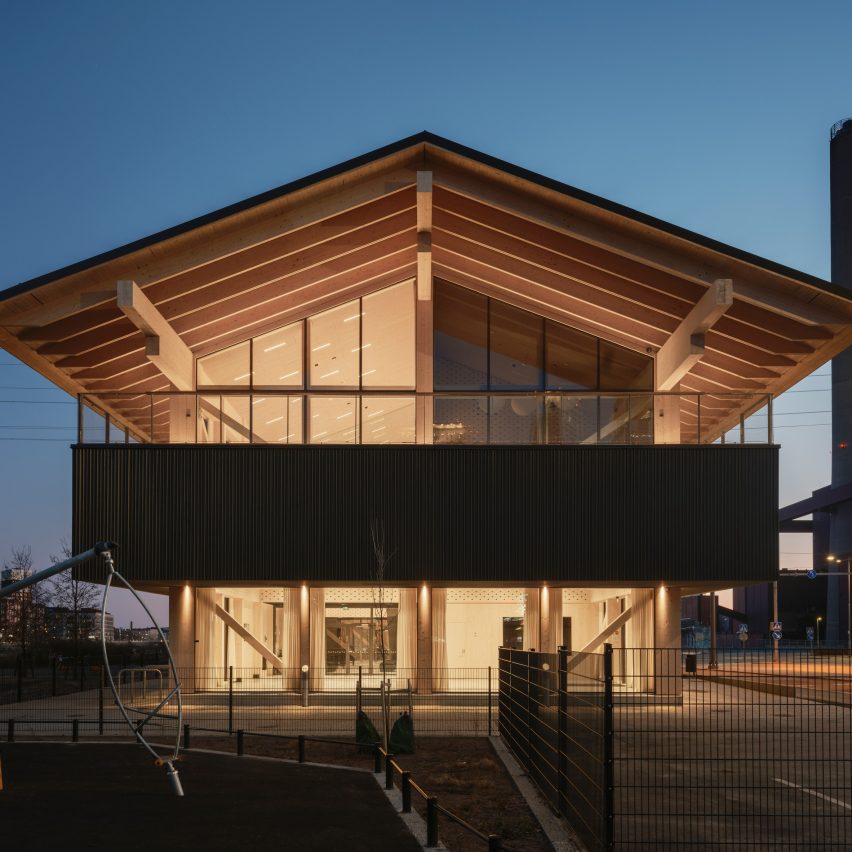
The Tea Room, Babahoyo, 2021. image © JAG studio
architecture as a social tool
Through the work of Natura Futura, the idea of softness has little to do with fragility. It appears through listening, reuse, shared building knowledge, and a willingness by the studio to let architecture support what a community already knows how to do.
This comes through clearly in La Balsanera, a 70-square-meter productive floating house completed in Babahoyo in 2023 with architect Juan Carlos Bamba. The project responds to a river culture that has almost disappeared from the city. The Babahoyo River’s floating houses once served as gathering, storage, and resting points along the commercial route between Guayaquil and Quito, but their number has dropped from about 200 to 25, even as they remain recognized as part of Ecuador’s intangible heritage.
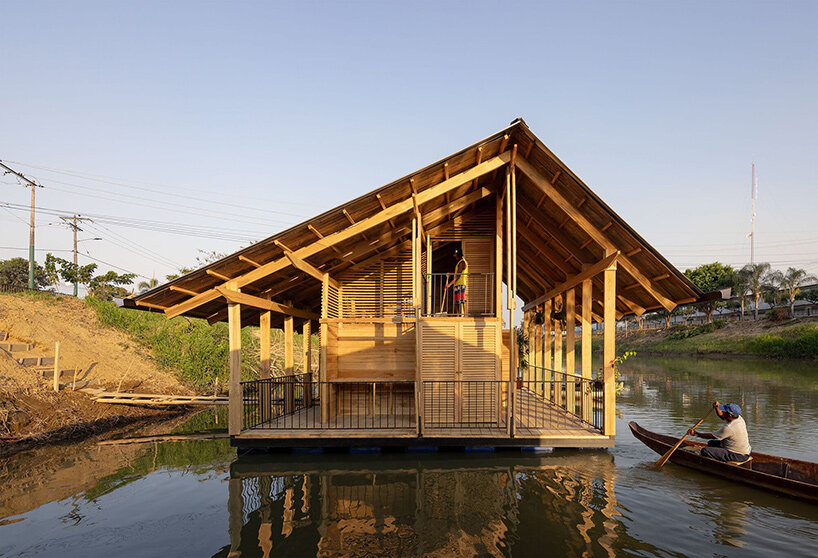
La Balsanera, Babahoyo, Ecuador, 2023. image courtesy Natura Futura Arquitectura
la balsanera and the right to remain with the river
Rather than relocating Carlos, Teresa, and their son away from the water, La Balsanera strengthens the life they have built there over more than 30 years. Carlos repairs wooden boats, while Teresa prepares traditional food for local communities. Their former house had serious structural damage and lacked basic services, making both domestic life and work harder to sustain.
The new structure preserves the position of the living room, dining area, kitchen, and bedrooms at the center, while extending the platform two meters on each side. Modular wooden frames form a gabled roof, bringing height, storage, light, and ventilation to the interior. At the edges, service and production areas make space for a boat workshop, dry toilet, laundry, shower, and a river-facing terrace where food service and social gathering can continue.

La Balsanera, Babahoyo, Ecuador, 2023. image courtesy Natura Futura Arquitectura
continuity through transformation
For Natura Futura, traditional construction carries value because it holds generations of environmental and cultural knowledge. The studio describes preservation as an active process, one that can adapt as needs, climates, and ways of living change. ‘The goal is not preservation for its own sake, but continuity through transformation,‘ the team explains.
That idea also appears across projects such as Las Tejedoras in Chongón, Guayaquil, The Santay Observatory on Isla Santay, and The House of Time in Babahoyo. Natura Futura returns again and again to local economies, shared spaces, and the social knowledge already held within a place.

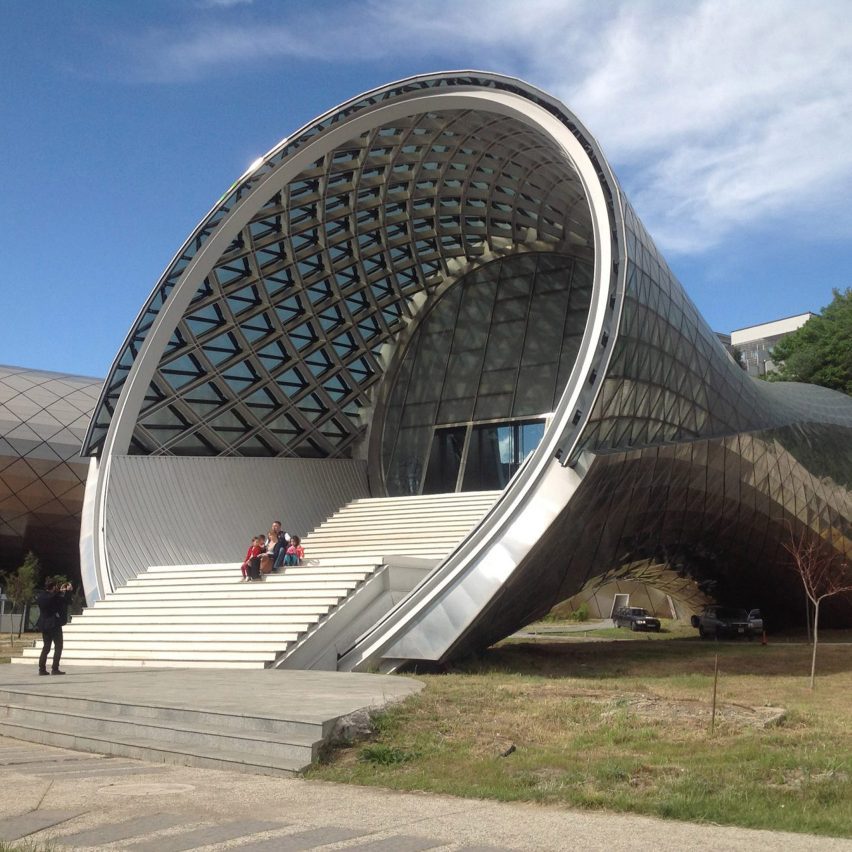
Las Tejedoras in Chongón, Ecuador, 2023. image © JAG Studio
listening before drawing
The studio describes its process as beginning with what is already there: routines, stories, patterns of use, and absences. Sometimes the first conversation is with residents. Sometimes it is with builders. Sometimes, the studio says, it is with climate itself. Before form, there is a question: ‘what relationships need to be strengthened here?‘
That question gives the work its Radical Softness. Architecture becomes a framework for participation, repair, and coexistence, especially in places where limited resources demand intelligence before abundance. In this sense, Natura Futura’s ambition feels grounded in scale. A floating house, a productive center, or a small civic structure can carry a larger cultural argument when it helps people stay connected to territory, labor, and one another.
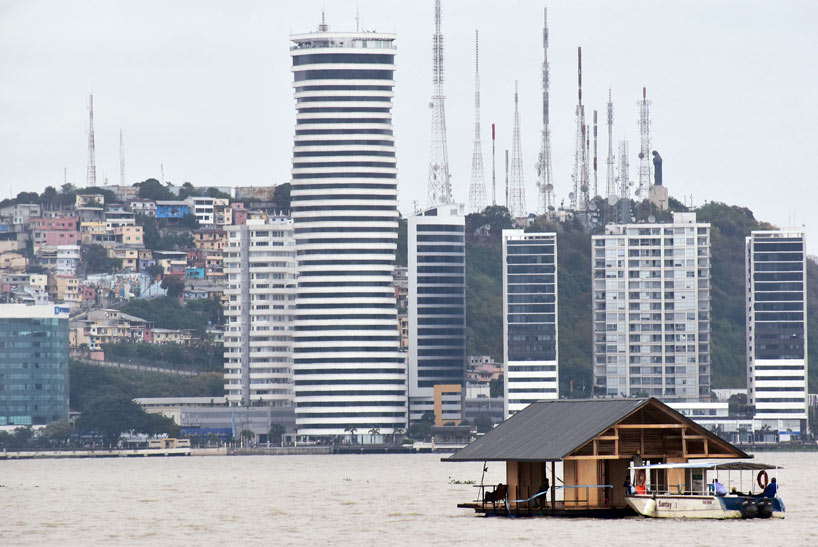
Santay Observatory, Guayas River, 2022. image © José Escandón, Juan Terreros, Jhonatan Andrade
in conversation with Natura Futura
designboom (DB): Your studio often works from Latin American contexts where climate, labor, informality, and local memory are already deeply present. How has working from this position shaped your idea of what architecture can do?
Natura Futura (NF): Working from Latin America has taught us that architecture is less about creating objects and more about understanding relationships. Climate, labor, local economies, and collective memory are not external conditions that architecture responds to; they are the very material from which architecture emerges.
In places like Babahoyo, where we work, architecture cannot be separated from the river, the heat, the informal ways people occupy space, or the knowledge embedded in local construction practices. This has shaped our belief that architecture can act as a mediator between people, territory, and time.