A museum in Vietnam built from more than six million reclaimed clay tiles has won the grand prize at Wienerberger’s 2026 Brick Awards, which is showcased in this video produced by Dezeen for the awards.
Đạo Mẫu Temple and Museum in Vietnam, which was built using six million up-cycled clay tiles salvaged from 500 houses in the local area, was selected as the grand prize winner
It was chosen from a total of 849 entries submitted from across six continents to this year’s awards programme, from which six winners were selected.
The Brick Awards is a bi-annual competition
Designed by ARB Architects in collaboration with folk artist Xuân Hinh, the temple and museum was conceived as a space rooted in local customs and vernacular architecture.
The team also sought to minimise disruption to the landscape, preserving a 50-year-old orchard at the centre of the site.
Five additional category winners were announced alongside the grand prize recipient.
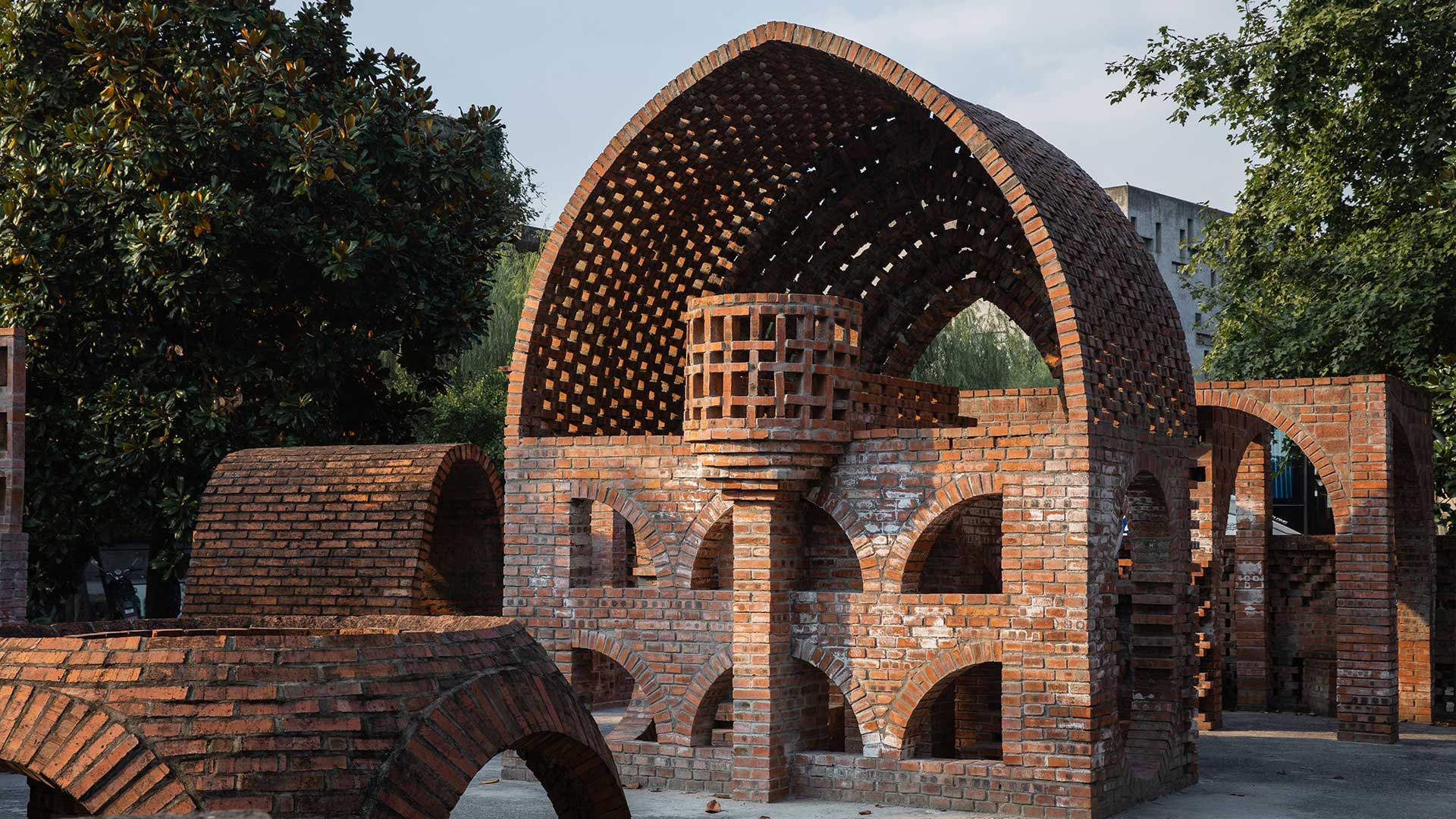
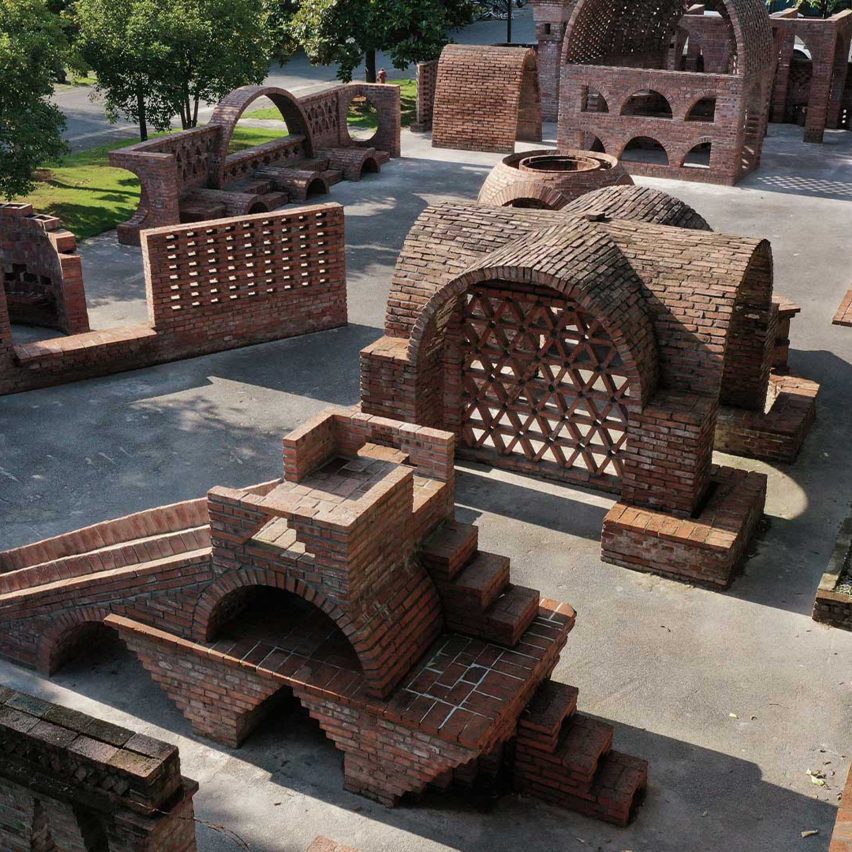
Among them was Endless Brick Playground in Hangzhou, China, which won the Building Outside the Box category.
Developed by students of the China Academy of Art, the project functions as an evolving masonry laboratory.
Each year, over 80 students are tasked with designing and building a structure using only red bricks as part of a decade-long programme exploring bricklaying techniques and construction methods.
Previous installations are dismantled annually to give space to new structures, creating an ever-evolving architectural landscape.
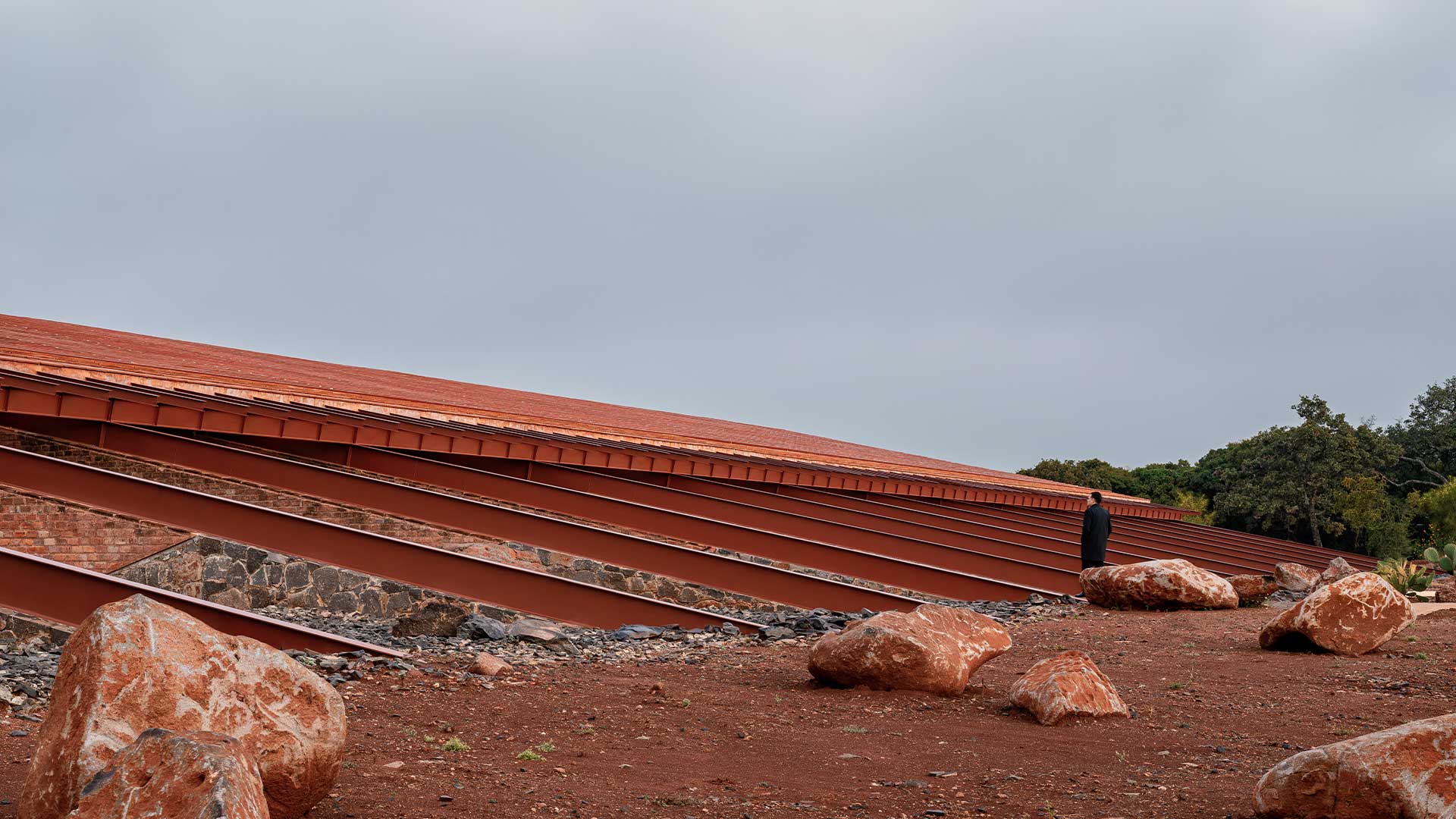
Atelier ARS won the Working Together category for Clase Azul La Hacienda Jalisco, a warehouse and office complex created for Mexican tequila brand Clase Azul.
The studio was informed by the site’s volcanic topography, partially embedding the building into the terrain.
Local stone, ceramic and clay elements were used to echo the colours and textures of the surrounding landscape.
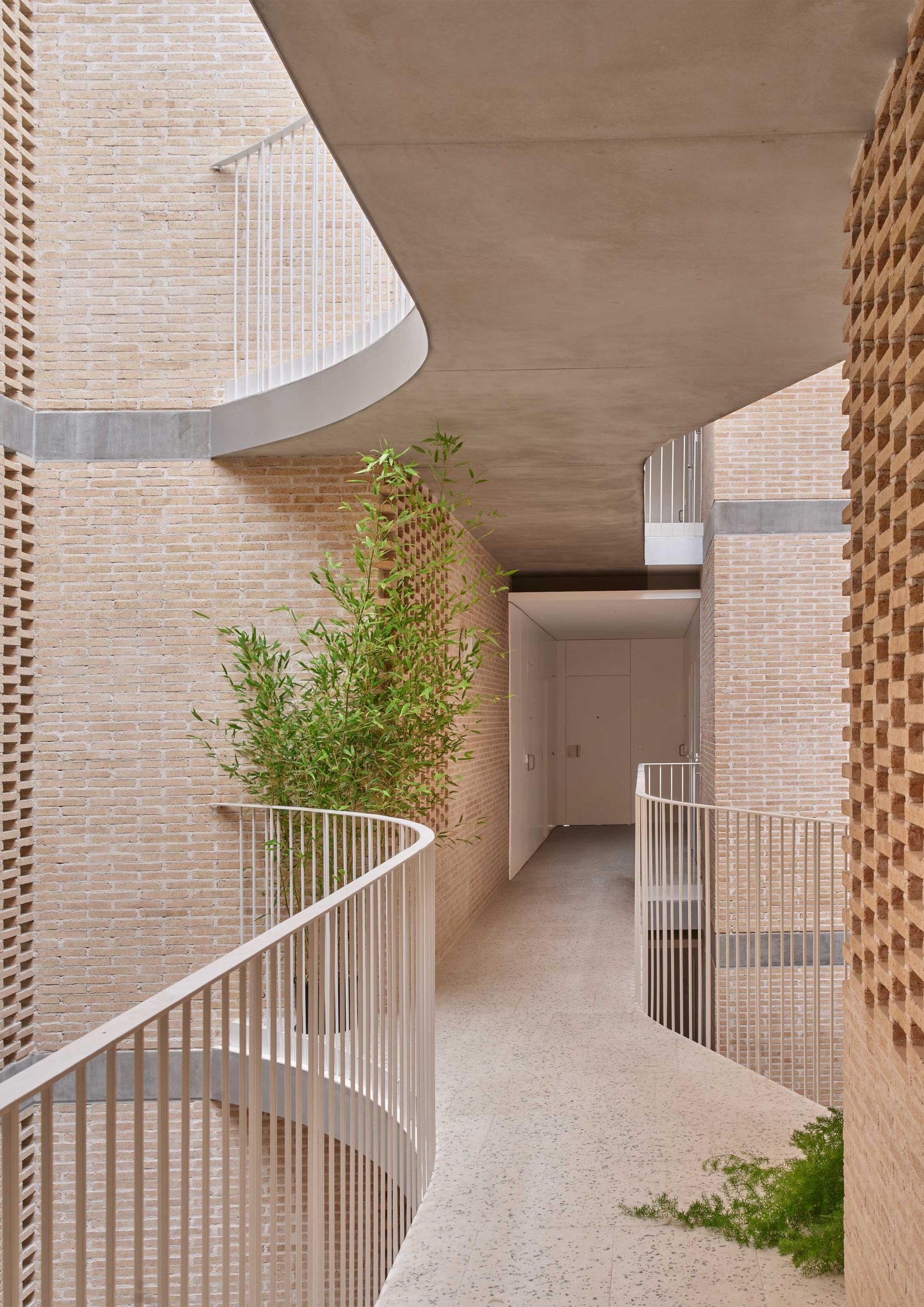
In Barcelona, Peris+Toral Arquitectes were recognised for Social Atrium, a mixed-use housing project organised around a central bioclimatic atrium.
The architecture studio used biomass-fired brick for the exterior and interior to help regulate the building’s temperature while bringing in daylight and natural ventilation throughout the year.
The space acts as a solar collector in winter and a cooling chimney in summer, while also serving as a communal gathering area for residents.
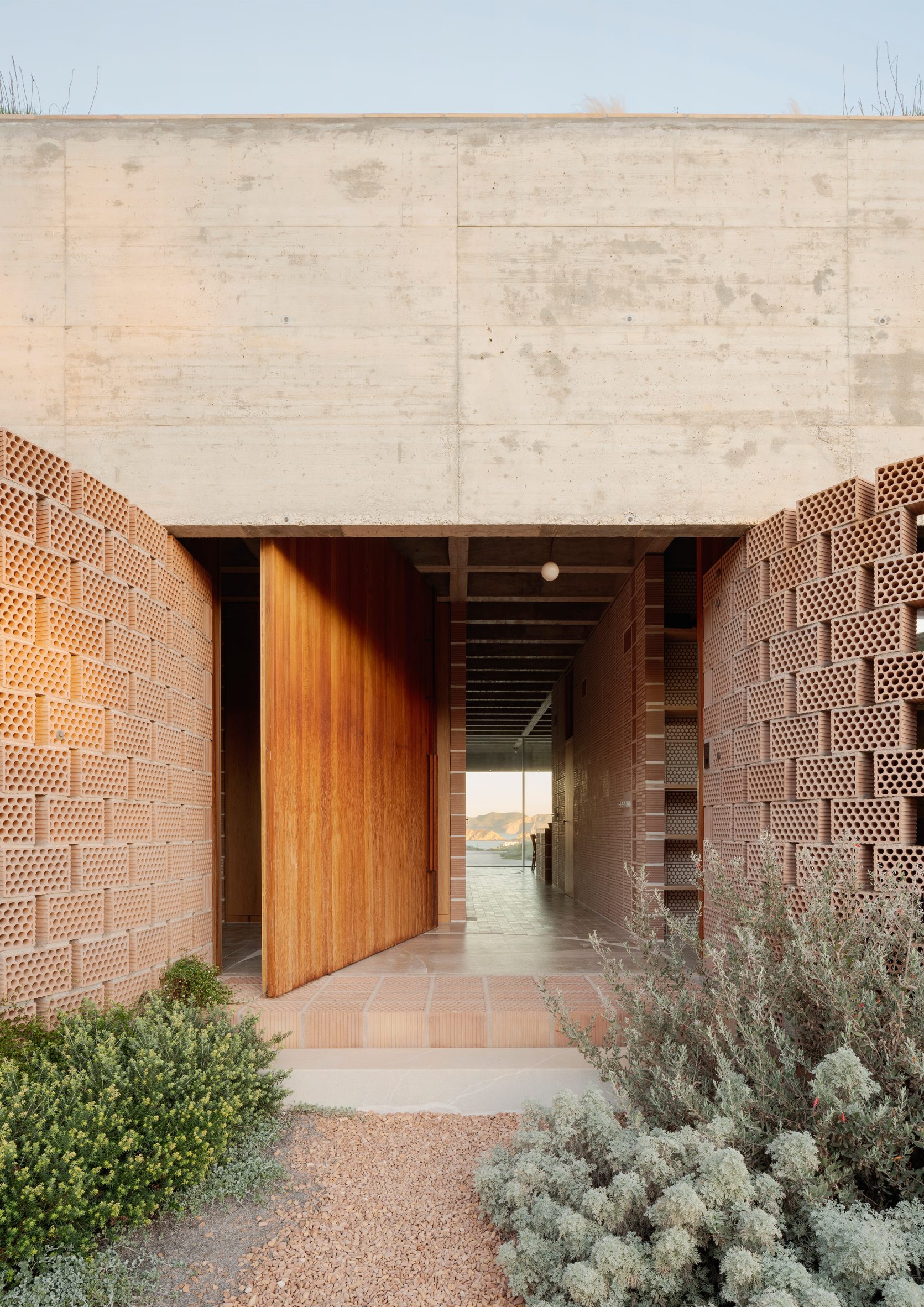
In Mallorca, a residential home called Ca na Birgit by TEd’A Arquitectes won the Feeling at Home category.
The house uses two thick parallel brick walls to shield its occupants from neighbouring properties while maintaining views towards the sea.
The architects used locally sourced marés stone and clay brick – materials traditionally used in Mallorcan architecture – to create a home defined by openness and simplicity.
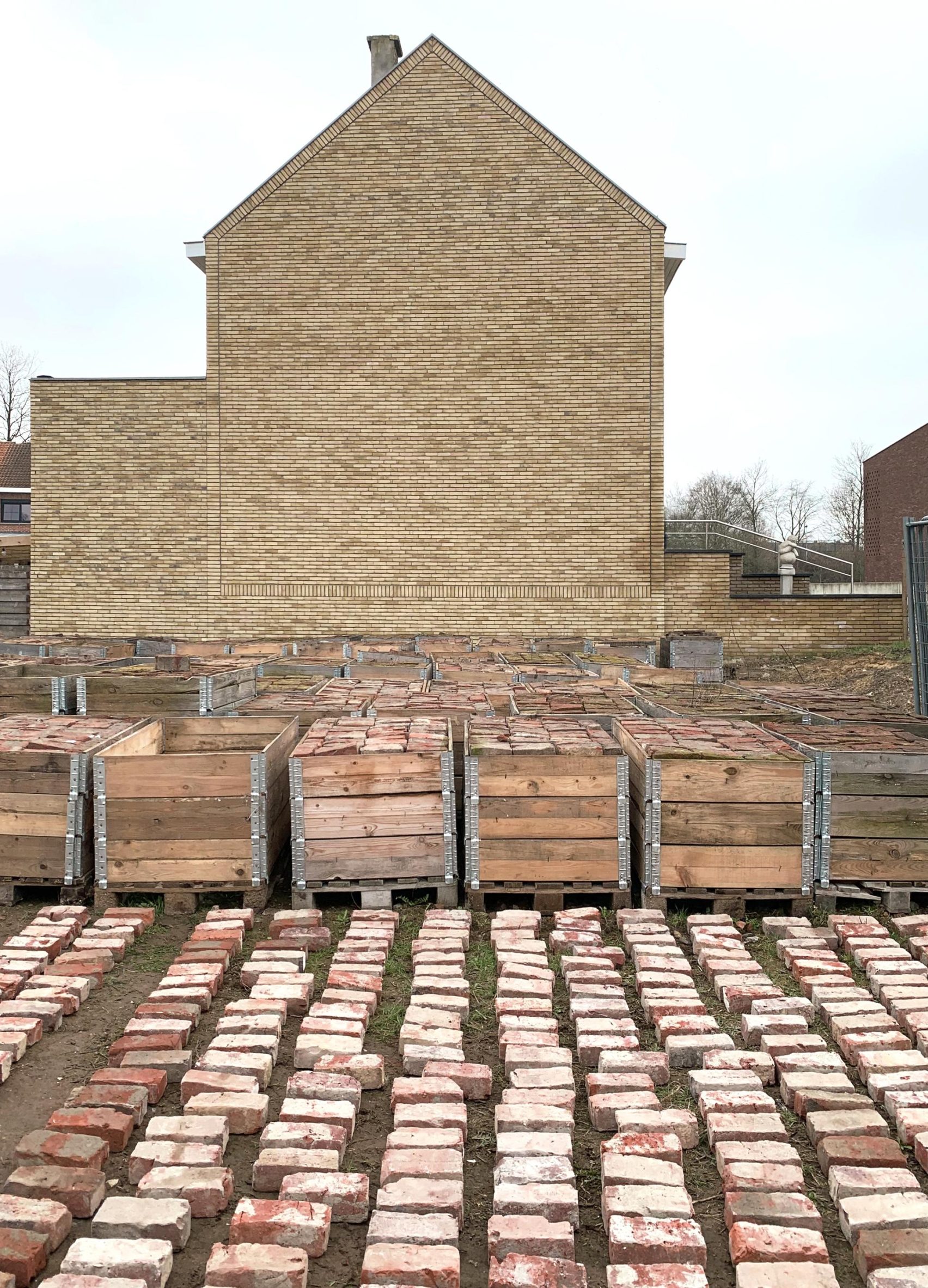
For the first time in the awards’ history, the jury awarded a special prize recognising an innovative collective living concept.
The award was given to Maker Architekten for redeveloping an urban neighbourhood in Belgium using reclaimed brick.
The regeneration project created 31 new social housing units built using historic bricks salvaged from other construction projects.
A hybrid mortar system was used to allow building components to be taken apart and reused at the end of their lifespan.
Established in 2004 by brick manufacturer Wienerbeger, the Brick Awards aims to celebrate the most innovative and contemporary uses of brick in architecture.
Wienerberger bricks were recently used in Lanza Atelier’s Serpentine Pavilion, which references the undulating form of traditional English crinkle-crankle walls.
Partnership content
This video was produced for Wienerberger as part of a partnership. Find out more about our partnership content here.
The post Temple built from six million reused tiles wins Brick Award 2026 appeared first on Dezeen.